
Baby's Breath (Gypsophila) (Gypsophila paniculata)
Baby's breath is a delicate filler flower with clouds of tiny white or pink blooms, used to soften and add airiness to bouquets and wedding flowers.
Overview
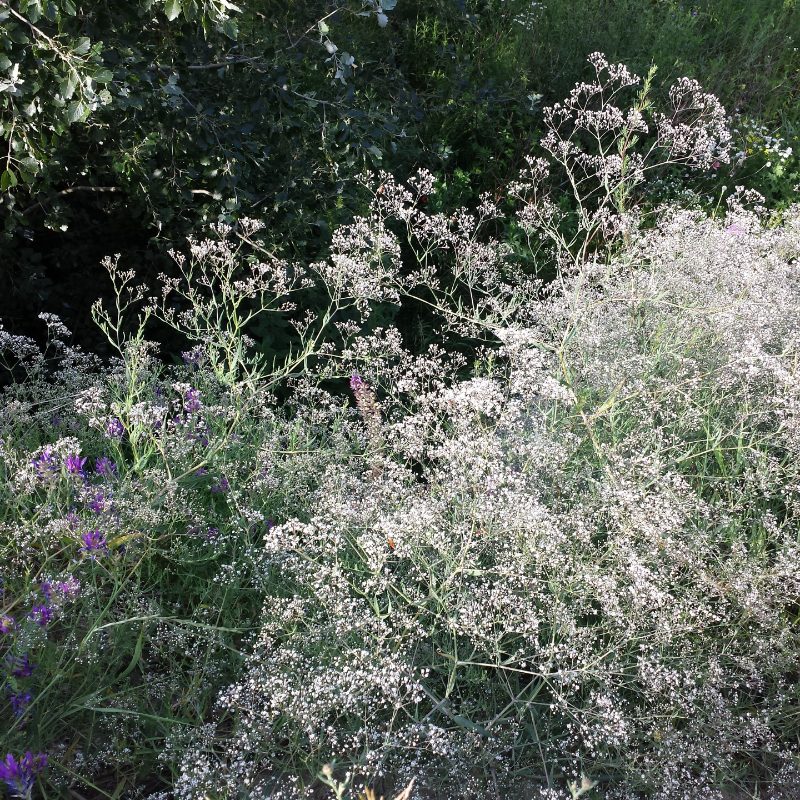
Baby's breath (Gypsophila paniculata, family Caryophyllaceae) is a perennial native to central and eastern Europe and Central Asia. It is the world's best-known filler flower – the airy, cloud-like stems that fill gaps between larger blooms in bouquets.
Appearance
The plant forms a much-branched, wiry mound covered in hundreds of tiny (3–10 mm) single or double flowers, usually white and sometimes pale pink. The narrow grey-green leaves are few, so the flowers seem to float in the air. Popular cut varieties include ‘Million Star’, ‘Xlence’ and ‘Overtime’.
Meaning & Symbolism
Baby's breath represents everlasting love, purity and innocence, which makes it a classic choice for weddings, baby showers and christenings.
Use in Bouquets
- Filler – adds texture and softness around roses, carnations and gerberas.
- Mono-botanical bouquets – a full bunch of baby's breath on its own creates a modern, cloud-like bouquet.
- Flower crowns, boutonnières, cake decoration and wedding arches.
- Available dyed in pastel and rainbow colours and as dried/preserved stems.
Care & Vase Life
- Recut stems and place in clean water with flower food.
- Keep cool and away from ripening fruit – gypsophila is sensitive to ethylene.
- Air-dries easily: hang upside down in a dry, dark place for 1–2 weeks.
- Typical vase life: 7–14 days fresh; dried stems last for months.
Fun Facts
- The genus name means “lover of gypsum”, because many species grow in chalky, gypsum-rich soils.
- Fresh baby's breath has a noticeable earthy scent that some people find strong – dried stems lose most of it.