
Orchid (Phalaenopsis) (Phalaenopsis)
Phalaenopsis, the moth orchid, is an elegant tropical orchid with flat, long-lasting blooms, used in premium bouquets, wedding designs and as a living potted gift.
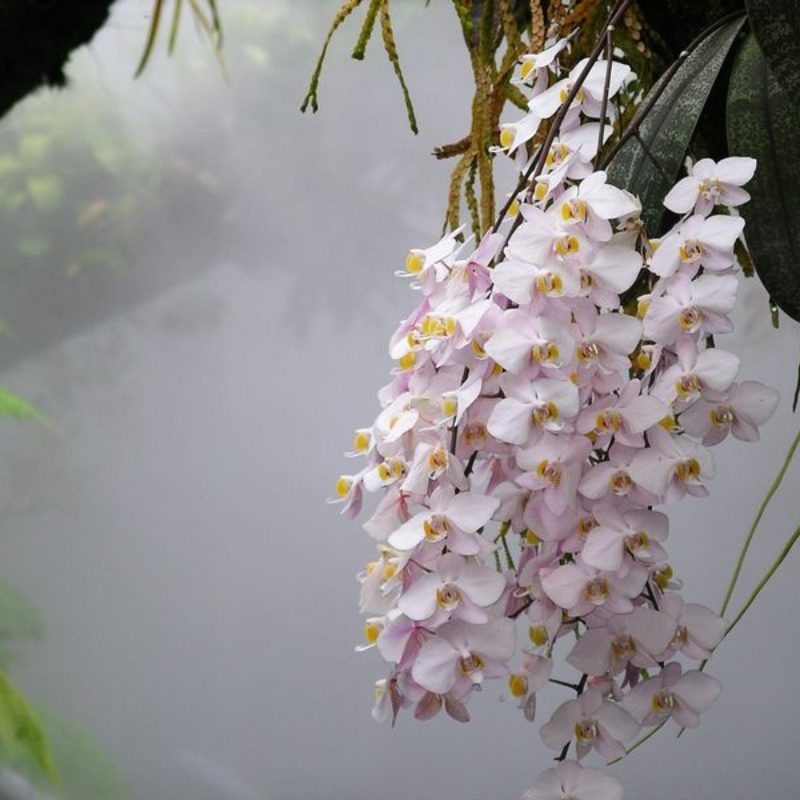
Overview
Phalaenopsis, commonly called the moth orchid, is a genus of about 70 species in the orchid family (Orchidaceae), native to tropical Asia and northern Australia. Thanks to modern propagation, it has become the most widely sold orchid in the world – both as a potted plant and as a cut flower.
Appearance
Plants have a few broad, fleshy leaves at the base and one or more arching flower spikes. Each spike carries a row of flat, rounded flowers that resemble moths in flight (hence the Greek name, “moth-like”). Colours include white, pink, magenta, yellow, purple and many spotted or striped patterns, each with a distinctive central lip.
Meaning & Symbolism
Orchids symbolise luxury, refinement, beauty and strength. White orchids represent elegance and reverence, pink orchids grace and joy, and purple orchids admiration and respect.
Use in Bouquets & Floral Design
- Cascading bridal bouquets and wedding centrepieces.
- High-end hand-tied bouquets as a statement focal flower.
- Corsages and boutonnières.
- Gifted as potted plants that re-bloom for years.
Cut orchid stems are often kept in individual water tubes so they stay hydrated inside the arrangement.
Care
Cut stems
- Keep stems in water tubes or a clean vase; recut 1 cm every few days.
- Avoid cold draughts and temperatures below 13 °C.
- Vase life: 10–14 days.
Potted plants
- Bright, indirect light; no direct midday sun.
- Water about once a week when the bark mix is almost dry – never leave roots sitting in water.
- Flowers can last 2–3 months on the plant.
Fun Facts
- The orchid family is one of the largest plant families on Earth, with over 25,000 species.
- Phalaenopsis are epiphytes – in the wild they grow on tree trunks, not in soil.