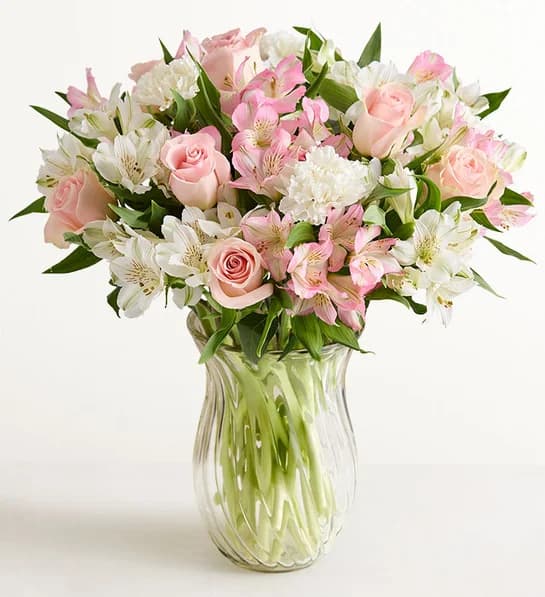
Rose (Rosa)
A classic flowering shrub known for its fragrant, layered blooms.A classic flowering shrub known for its fragrant, layered blooms.A classic flowering shrub known for its fragrant, layered blooms.A classic flowering shrub known for its fragrant, layered blooms.A classic flowering shrub known for its fragrant, layered blooms.A classic flowering shrub known for its fragrant, layered blooms.A classic flowering shrub known for its fragrant, layered blooms.A classic flowering shrub known for its fragrant, layered blooms.A classic flowering shrub known for its fragrant, layered blooms.A classic flowering shrub known for its fragrant, layered blooms.A classic flowering shrub known for its fragrant, layered blooms.A classic flowering shrub known for its fragrant, layered blooms.A classic flowering shrub known for its fragrant, layered blooms.A classic flowering shrub known for its fragrant, layered blooms.A classic flowering shrub known for its fragrant, layered blooms.A classic flowering shrub known for its fragrant, layered blooms.A classic flowering shrub known for its fragrant, layered blooms.A classic flowering shrub known for its fragrant, layered blooms.A classic flowering shrub known for its fragrant, layered blooms.A classic flowering shrub known for its fragrant, layered blooms.A classic flowering shrub known for its fragrant, layered blooms.A classic flowering shrub known for its fragrant, layered blooms.A classic flowering shrub known for its fragrant, layered blooms.A classic flowering shrub known for its fragrant, layered blooms.A classic flowering shrub known for its fragrant, layered blooms.A classic flowering shrub known for its fragrant, layered blooms.A classic flowering shrub known for its fragrant, layered blooms.A classic flowering shrub known for its fragrant, layered blooms.A classic flowering shrub known for its fragrant, layered blooms.
Rose (Rosa)
The rose is one of the world's most recognizable and widely cultivated flowering plants. Roses belong t
Same Day Delivery
o the genus Rosa in the family Rosaceae. They are valued for their beauty, fragrance, cultural significance, and many practical uses.
What Is a Rose?
A rose is a flowering plant belonging to the genus Rosa. The genus includes hundreds of species and thousands of cultivated varieties. Roses can grow as shrubs, climbing plants, or compact miniature plants, depending on the species or cultivar.
Rose flowers come in many colors, including red, pink, white, yellow, orange, peach, and cream. Many varieties are also known for their distinctive fragrance.
Rose plants commonly have green leaves with toothed edges and stems bearing prickles. Some roses also produce a berry-like fruit known as a rose hip after flowering.
Scientific Classification
- Common Name: Rose
- Scientific Genus: Rosa
- Family: Rosaceae
- Plant Type: Flowering shrub, climber, or miniature plant
- Flowering Plant: Yes
- Fruit: Rose hip in many species and cultivars
Appearance and Characteristics
Roses are especially known for their attractive flowers and fragrance. Their flowers vary considerably in size, shape, petal arrangement, and color depending on the species and cultivar.
- Flowers may be single, semi-double, or densely petalled.
- Flower colors range from white and cream to yellow, pink, orange, and red.
- Many varieties have a noticeable fragrance.
- Leaves are generally green with serrated or toothed edges.
- Stems commonly have prickles.
- Some roses develop colorful rose hips after flowering.
Where Do Roses Grow?
Roses have a broad natural distribution across the Northern Hemisphere and are now cultivated in many parts of the world. They can be grown in gardens, landscapes, containers, and commercial flower farms.
In general, roses grow well in sunny locations with well-drained soil. Their exact growing requirements depend on the species and cultivar.
Uses of Roses
1. Ornamental and Garden Use
One of the most important uses of roses is ornamental gardening. Roses are planted in home gardens, parks, public landscapes, borders, containers, and dedicated rose gardens because of their colorful and often fragrant flowers.
Different varieties can be used as shrubs, climbers, ground-cover plants, or compact plants for smaller spaces.
2. Cut Flowers
Roses are among the most popular cut flowers. Their attractive flowers, wide range of colors, and cultural associations make them popular for bouquets, floral arrangements, weddings, anniversaries, birthdays, celebrations, and other special occasions.
3. Perfume and Fragrance
Fragrant rose flowers are used to produce rose fragrance and essential oils. Rose-derived ingredients are used in perfumes, candles, cosmetics, and other scented products.
4. Cosmetics and Personal Care
Rose extracts, rose oil, and rose water are commonly used in personal care and cosmetic products. Rose water is used in products such as facial mists and toners, while rose-derived ingredients are also found in some hair and skin-care products.
5. Food and Beverages
Certain rose species and their products are used in food and beverages. Rose water is particularly popular in Middle Eastern and South Asian cuisines and is used to add floral fragrance and flavor to desserts and drinks.
Rose hips, the fruit produced by many roses, are also used in products such as jams, jellies, syrups, and teas.
6. Cultural and Symbolic Use
Roses have a long history of cultural significance. Red roses are especially associated with love and romance, while roses in general have been used to represent beauty, affection, celebration, and remembrance in different cultures.
Rose Colors and Their Common Meanings
The meanings associated with rose colors are largely cultural traditions rather than botanical characteristics. Common associations include:
- Red roses: Love, romance, and passion
- Pink roses: Appreciation, affection, and admiration
- White roses: Purity, elegance, and remembrance
- Yellow roses: Friendship, warmth, and happiness
- Orange roses: Enthusiasm, energy, and excitement
- Peach roses: Gratitude, sincerity, and appreciation
Rose Hips
After flowering, many roses produce a fruit-like structure called a rose hip. Rose hips are usually red or orange when mature and contain the seeds of the plant.
Rose hips are used in some
From $61.97 foods and beverages, including jams, marmalades, syrups, and teas. They are also an important food source for some birds and other wildlife.
Roses in Perfume Making
Rose fragrance has been valued for centuries. Rose flowers contain aromatic compounds that contribute to their characteristic scent. Different rose varieties can have noticeably different fragrance profiles.
Rose oil and rose water are important traditional fragrance materials and continue to be used in modern perfumery and personal-care products.
How to Grow Roses
Roses generally perform well when grown in a sunny location with well-drained soil. Good growing conditions, regular watering, feeding, and appropriate pruning can help encourage healthy growth and flowering.
Basic Rose Care
- Choose a location with good sunlight.
- Use well-drained soil.
- Water regularly while avoiding prolonged waterlogging.
- Provide appropriate nutrients during the growing season.
- Remove spent flowers where appropriate to encourage continued blooming.
- Prune according to the requirements of the particular rose variety.
- Monitor the plant for pests and diseases.
Why Are Roses So Popular?
Roses combine visual beauty, fragrance, versatility, and cultural significance. They can be grown in gardens, used as cut flowers, incorporated into perfumes and cosmetics, and used in certain foods and beverages.
Their enormous variety also makes roses suitable for many different purposes, from compact container plants to climbing garden roses and commercially grown cut flowers.
Interesting Facts About Roses
- Roses belong to the plant family Rosaceae.
- The genus Rosa contains hundreds of species.
- There are thousands of cultivated rose varieties.
- Roses can grow as shrubs, climbers, and miniature plants.
- Many roses produce rose hips after flowering.
- Rose hips are used in some foods and beverages.
- Rose fragrance is widely used in perfumes and personal-care products.
- Roses have been cultivated by humans for thousands of years.
- Red roses have become one of the most recognizable symbols of romantic love.
Frequently Asked Questions About Roses
What is the scientific name of a rose?
Roses belong to the genus Rosa, which is part of the Rosaceae family.
What are roses used for?
Roses are used for ornamental gardening, cut flowers, bouquets, perfumes, fragrances, cosmetics, rose water, certain foods and beverages, and cultural celebrations.
Are rose hips fruits?
Rose hips are the fruit-like structures produced by many rose plants after flowering. They contain the plant's seeds.
Do all roses have a fragrance?
No. Fragrance varies significantly between rose species and cultivars. Some roses have a strong scent, while others have little or no noticeable fragrance.
What conditions do roses prefer?
Roses generally grow well in sunny locations with well-drained soil, although the ideal conditions vary between different species and cultivars.
Why are roses associated with love?
Roses have been associated with love and beauty for centuries in different cultures. Red roses in particular became strongly associated with romantic love and are now widely used for romantic occasions.
Rose at a Glance
| Common Name | Rose |
|---|---|
| Scientific Genus | Rosa |
| Family | Rosaceae |
| Plant Type | Flowering shrub, climber, or miniature plant |
| Flower Colors | Red, pink, white, yellow, orange, peach, cream, and others |
| Common Uses | Gardening, bouquets, fragrance, cosmetics, food, beverages, and cultural occasions |
| Fruit | Rose hip |
Note: Rose species and cultivars can differ considerably in appearance, fragrance, growing requirements, and uses. Information about food and traditional uses should be considered separately from medical advice.